§ Category
Category

AU

AU

Bring Your Own Installer: When the EDR Bypass Ships Inside the EDR

Attackers don’t need a vulnerable driver to blind an EDR — they need the agent’s own installer and a window. The durable detection isn’t the kill command, it’s the silence that follows. Here is what that detection looks like the first time you deploy it, and why it floods the SOC before it works.

·
AU

Device Code Phishing Lives in the Log Table You Don’t Ingest

Device code phishing produces a clean, MFA-satisfied sign-in on Microsoft’s own infrastructure — and most of the telemetry that betrays it sits in the Entra non-interactive log table teams drop to save money. Here’s where the detection actually lives, how the threshold flips between a Windows shop and a dev-heavy tenant, and the persistence artifacts the closeout always skips.

·
AU

Fan-Out Over Ciphers: The Kerberoast Rule That Outlives RC4

Encryption-type detancy deton Kerberos TGS requests still catches lazy roasting, but as RC4 gets disabled the durable signal moves to behavior. What to grep for, why the AES downgrade tell degrades, and how to kill service-account false positives before they bury the SOC.

·
AU

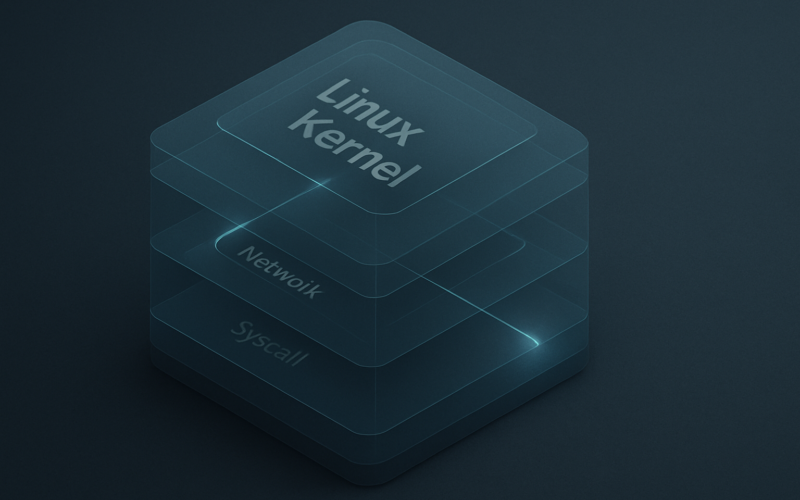
When netstat Lies: Detecting eBPF Magic-Packet Backdoors on Linux

A clean netstat is not proof of safety: eBPF backdoors like LinkPro keep an internal listener, rewrite ports through XDP/TC, and can make bpftool lie about themselves. The durable signal is the bpf() syscall at load time, and on Cilium-heavy fleets, telling real loaders from noise is most of the work.

·